

Laundry day doesn’t have to mean compromising your environmental values. Creating an eco friendly laundry routine is one of the most impactful changes you can make in your household sustainability journey. Not only will you reduce your carbon footprint, but you’ll also save money, protect your family’s health, and contribute to cleaner waterways.
The average household does nearly 300 loads of laundry per year, using thousands of gallons of water and countless chemical-laden products. However, with a few simple swaps and mindful practices, you can transform this necessary chore into an environmentally conscious ritual that aligns with your green lifestyle.
Table of Contents
Choose Natural and Non-Toxic Laundry Products
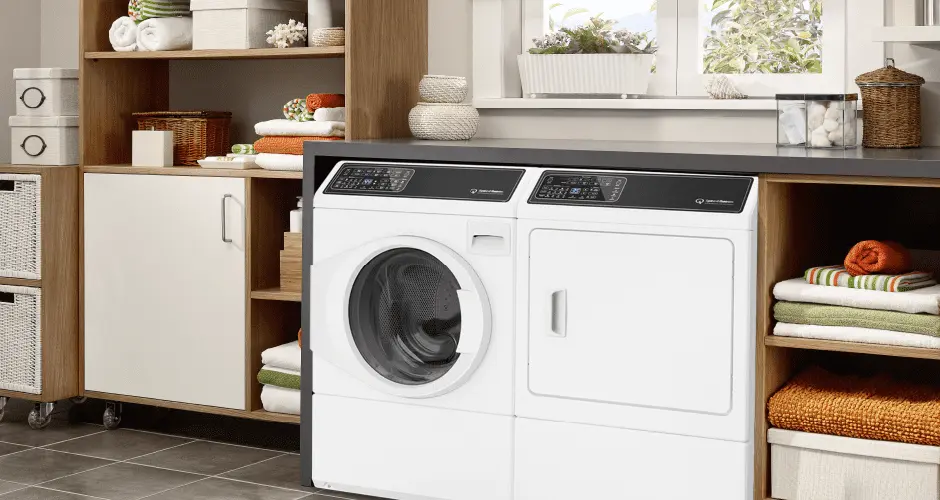
The foundation of any Eco Friendly Laundry Routine starts with what you put in your washing machine. Conventional laundry detergents contain phosphates, optical brighteners, and synthetic fragrances that harm aquatic ecosystems and can irritate sensitive skin—exactly what a Sustainable Laundry Tip aims to avoid.
Making the switch to plant-based detergents is easier than ever. Look for products certified by organizations like EPA Safer Choice or ECOCERT. Brands like Seventh Generation, Ecover, and Molly’s Suds offer concentrated formulas that clean effectively while minimizing packaging waste, supporting a truly Non-Toxic Cleaning Routine.
Don’t forget about fabric softeners and dryer sheets, which often contain harmful chemicals. White vinegar works as an excellent natural fabric softener, while wool dryer balls reduce drying time and eliminate static without any synthetic additives—perfect additions to a Zero Waste Laundry Idea and overall Green Home Cleaning Habit.
Master Water-Saving Washing Techniques
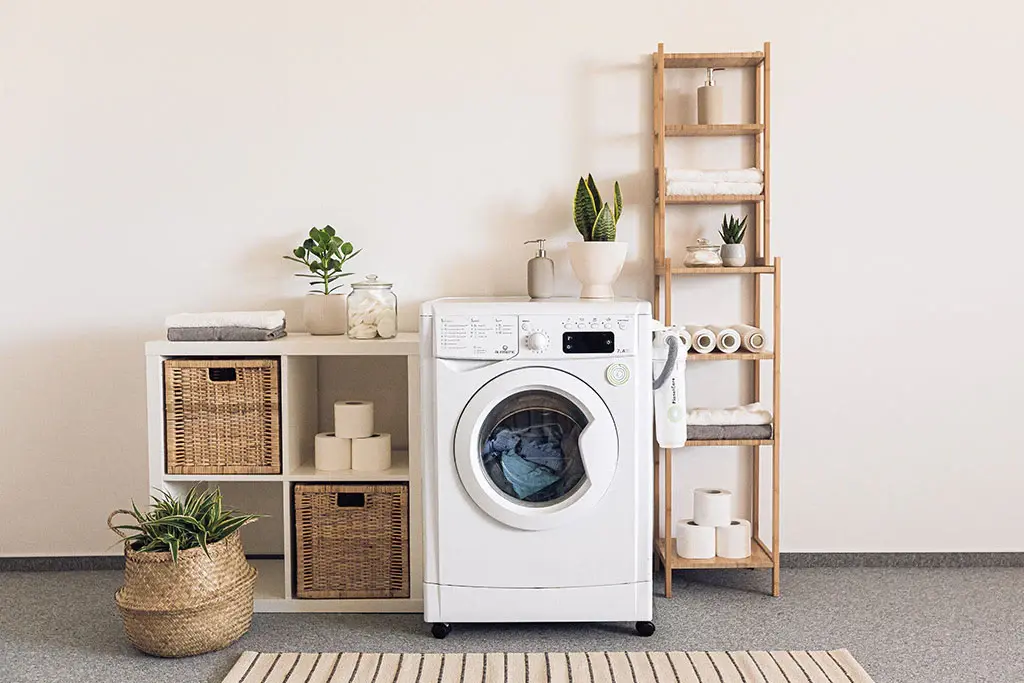
Water conservation plays a crucial role in Sustainable Laundry Tips and overall eco-conscious home care. The average washing machine uses 25–40 gallons per load, but strategic choices can dramatically reduce this consumption and strengthen your Eco Friendly Laundry Routine.
Always wash full loads when possible to maximize water efficiency. If you must wash smaller loads, adjust your water level accordingly. Modern machines often include load-sensing technology, while older models require manual settings. Consider investing in a high-efficiency washing machine if your current model is over 10 years old. ENERGY STAR–certified machines use 25% less energy and 33% less water than standard models, making them excellent additions to a Green Home Cleaning Habit.
Pre-treating stains with natural solutions like lemon juice, baking soda, or hydrogen peroxide can prevent rewashing, saving both water and energy. This simple step supports a Non-Toxic Cleaning Routine and aligns perfectly with Zero Waste Laundry Ideas for long-term sustainability.
Embrace Energy-Efficient Drying Methods
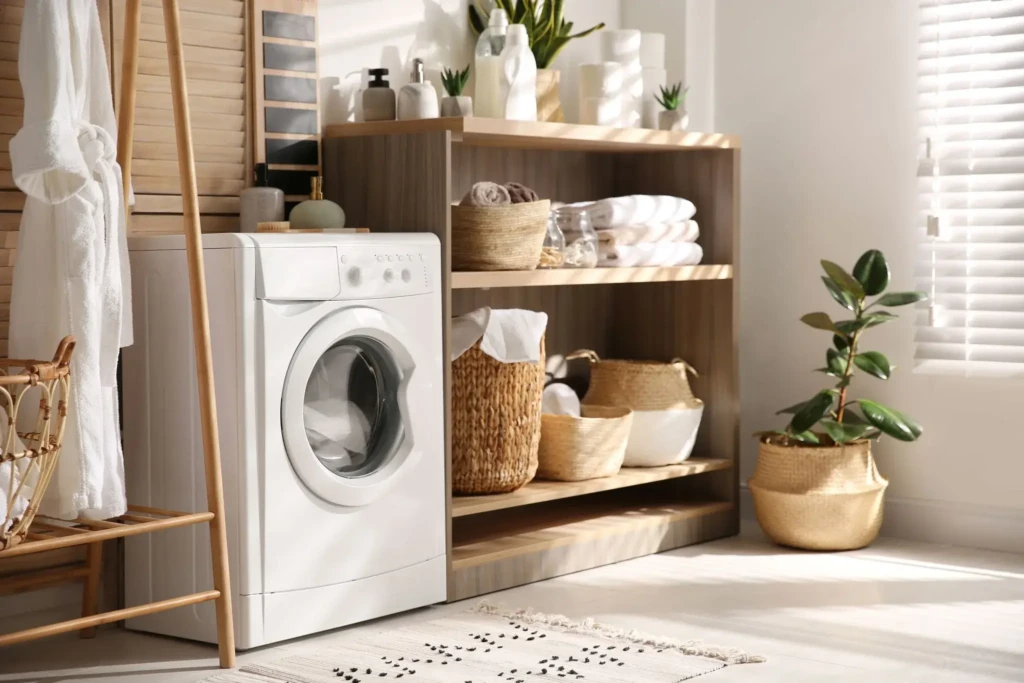
The clothes dryer is often the most energy-intensive appliance in your home, but adopting smarter habits can greatly reduce its impact and support a truly Eco Friendly Laundry Routine. Simple changes in how you dry your clothes can complement your Sustainable Laundry Tips and make your home more efficient.
Line drying remains the most sustainable option. Whether you use an outdoor clothesline, indoor drying rack, or retractable line, air-drying eliminates energy consumption entirely. Your clothes will smell fresher, last longer, and you’ll cut down your electricity bill—an easy win for anyone focusing on Green Home Cleaning Habits.
For those who rely on machine drying, timing matters. Clean your lint filter before every load to improve airflow and efficiency. Additionally, try to dry consecutive loads while the dryer is still warm to take advantage of residual heat. Pairing this with natural tools like wool dryer balls supports Zero Waste Laundry Ideas and enhances your Non-Toxic Cleaning Routine without extra effort.
Implement Smart Sorting and Frequency Strategies
Not every item in your hamper needs immediate washing. Developing a mindful approach to laundry frequency can significantly reduce your environmental impact while extending the life of your clothing.
Jeans, sweaters, and outer layers can often be worn multiple times before requiring a wash. Focus on washing undergarments, socks, and heavily soiled items after each use, while giving other garments the “sniff test” to determine if they truly need cleaning.
Create designated hampers for different types of clothing to streamline your sorting process. This organization makes it easier to wash full loads efficiently and prevents overdoing laundry out of convenience.
Select Sustainable Laundry Tools and Accessories
The tools you use for laundry can either support or undermine your sustainability goals. Making thoughtful choices about these items enhances your overall eco friendly laundry routine.
Bamboo laundry baskets offer a renewable alternative to plastic options, while also being naturally antimicrobial and incredibly durable. Similarly, wooden clothespins last decades longer than plastic versions and biodegrade at the end of their life cycle.
Consider upgrading to a high-efficiency washing machine if yours is approaching replacement time. While the upfront investment is significant, these machines pay for themselves through reduced utility bills and align perfectly with sustainable living principles.
Address Stains Naturally and Effectively
Effective stain removal using natural ingredients prevents the need for rewashing items and eliminates harsh chemical treatments from your eco friendly laundry routine.
Create a stain-fighting arsenal with common household items. Baking soda works excellently on grease stains, while white vinegar tackles deodorant marks and mineral deposits. Lemon juice naturally bleaches and brightens whites, and hydrogen peroxide removes blood and protein-based stains.
Maintain Your Washing Machine Sustainably
Regular maintenance keeps your washing machine running efficiently, extending its lifespan and maintaining optimal performance throughout your eco friendly laundry routine.
Clean your washing machine monthly using white vinegar and baking soda instead of commercial cleaners. Run an empty hot water cycle with two cups of vinegar, followed by a cycle with half a cup of baking soda. This removes soap residue, mineral deposits, and prevents odors naturally.
Check and clean your washing machine’s lint filter regularly if it has one. Many people don’t realize front-loading machines often have filters that require periodic cleaning for optimal performance.
Build Seasonal Laundry Habits
Adapting your eco friendly laundry routine to seasonal changes maximizes efficiency while responding to varying needs throughout the year.
Summer offers optimal conditions for line drying, so take full advantage of longer daylight hours and warm weather. This season also typically requires more frequent washing due to increased perspiration and outdoor activities.
Winter laundry focuses on energy conservation and indoor drying strategies. Invest in a good drying rack and position it near heat sources like radiators or sunny windows. The added humidity from drying clothes can actually benefit your home’s air quality during dry winter months.
Spring cleaning presents an opportunity to wash seasonal items like comforters, curtains, and winter gear before storing them. Use this time to deep clean your washing machine and reorganize your laundry area for maximum efficiency.
Fall preparation includes washing and properly storing summer clothing while bringing out heavier items that may need refreshing after months in storage. This seasonal rotation reduces overall laundry volume while ensuring everything is clean and ready when needed.
Extend Clothing Lifespan Through Proper Care
The most sustainable laundry approach involves washing clothes less frequently while maintaining their appearance and extending their useful life.
Learn to read care labels and follow them appropriately. Washing clothes in conditions that are too harsh shortens their lifespan significantly, leading to more frequent replacements and increased environmental impact.
Store seasonal clothing properly to prevent unnecessary washing when rotating your wardrobe. Clean items thoroughly before storage, use breathable containers, and add natural moth deterrents like cedar blocks or lavender sachets.
Conclusion: Start Your Sustainable Laundry Journey Today
Transforming your wash day routine into an Eco Friendly Laundry Routine doesn’t require perfection from day one. Start by adopting one or two simple Sustainable Laundry Tips, such as switching to cold water washing or trying wool dryer balls. As these steps become part of your lifestyle, gradually incorporate more Zero Waste Laundry Ideas to reduce waste and energy use.
Remember that small actions compound over time. Washing just one load per week in cold water instead of hot can save up to 1,600 pounds of CO₂ annually. When millions of households embrace these Green Home Cleaning Habits, the collective impact becomes significant. Each choice you make—whether it’s choosing natural detergents or following a Non-Toxic Cleaning Routine—moves you closer to a cleaner home and a healthier planet.