Are you tired of opening a closet full of clothes and still having “nothing to wear”? You’re not alone. The good news is that building a sustainable wardrobe isn’t just better for the environment—it’s also the secret to having a closet you’ll actually love. These sustainable wardrobe tips will help you create a collection of clothes that work harder, last longer, and make you feel amazing every time you get dressed.
Let’s dive into practical strategies that will transform how you think about fashion, save you money in the long run, and reduce your environmental impact without sacrificing style.
Table of Contents
Start With What You Already Own

Before you buy anything new, take a good look at what’s already hanging in your closet. This is the most important of all sustainable wardrobe tips—and it costs you nothing.
Don’t forget to check for items that need simple repairs. A loose button or small tear doesn’t mean an item is worthless—it just needs a little TLC. Learning basic mending skills like sewing on buttons or fixing small holes can extend your clothes’ lifespan significantly.
Master the Art of Capsule Wardrobes
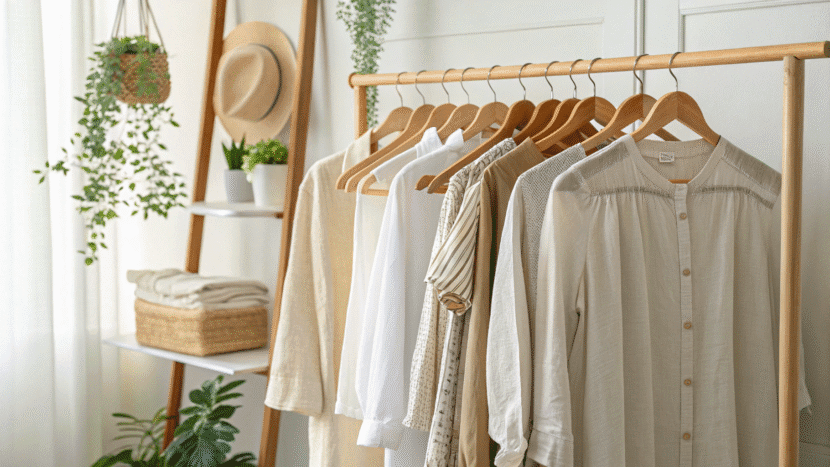
A capsule wardrobe is a small collection of versatile pieces that work together seamlessly. Think of it as your wardrobe’s greatest hits album—every piece earns its place by being useful and loved.Start with a foundation of neutral colors like black, white, navy, gray, or beige. These tones support Sustainable Wardrobe Tips by creating a cohesive base that makes mixing and matching effortless, especially if you’re building an eco-friendly closet with long-lasting pieces. Then add a few accent colors or patterns that reflect your personality and align with green fashion habits.
Aim for quality basics that can be dressed up or down. A well-fitted white button-down shirt, for example, works with jeans for casual days and with dress pants for meetings. Choosing timeless pieces like a classic blazer fits perfectly with sustainable style ideas because they elevate everything from sundresses to t-shirts while remaining versatile and durable.
The magic number varies by person, but many people find success with 30–40 pieces total, including shoes and outerwear. This might sound small, but when every item reflects ethical clothing choices and works with multiple others, you’ll actually enjoy more outfit combinations than before.
Embrace Slow Fashion Principles
Slow fashion is the opposite of fast fashion’s “buy, wear once, discard” mentality. It’s about choosing pieces thoughtfully and wearing them repeatedly with pride.
Before making any purchase, use the “cost per wear” calculation. Divide the item’s price by how many times you’ll realistically wear it. A $100 jacket worn 50 times costs $2 per wear, while a $20 trendy top worn twice costs $10 per wear. This mindset shift supports Sustainable Wardrobe Tips by helping you see the real value in high-quality pieces and make smarter choices for an eco-friendly closet.
Wait 24–48 hours before buying anything non-essential. This cooling-off period helps you distinguish between genuine needs and impulse wants. Keeping a wishlist and revisiting it monthly is one of the most effective green fashion habits, ensuring you buy only with intention and long-term use in mind.
Focus on timeless styles over fast trends. While adding a few fun elements is fine, building your wardrobe around classic staples aligns with sustainable style ideas that remain wearable year after year. Choosing these long-lasting pieces also supports ethical clothing choices, reducing waste and avoiding constant replacement cycles.
Discover the Joy of Secondhand Shopping
Secondhand shopping is one of the most impactful sustainable wardrobe tips you can follow. It keeps clothes out of landfills while giving you access to unique pieces at fraction of retail prices.
Start with thrift stores, consignment shops, and online platforms like Poshmark, ThredUp, or Vestiaire Collective. Each source supports Sustainable Wardrobe Tips in different ways—thrift stores offer the lowest prices, consignment shops curate higher-end pieces, and online platforms provide convenience and huge selections that help you build an eco-friendly closet without buying new.
When thrift shopping, go in with an open mind but still stay true to your style. Look for quality indicators like sturdy seams, good zippers, and minimal pilling. Embracing these green fashion habits ensures your purchases last longer. Don’t hesitate to buy pieces that need small alterations—a simple hem or a tailored waist can turn a good find into a perfect fit, aligning with sustainable style ideas focused on longevity and customization.
Vintage shopping is another powerful option. Vintage pieces often have superior construction compared to modern fast fashion, making them excellent ethical clothing choices. Plus, you’ll own something truly unique—no one else in your office will be wearing the same piece.
Invest in Quality Over Quantity
This principle forms the backbone of sustainable fashion. One well-made item that lasts five years has far less environmental impact than five cheap items that fall apart after one season.
Learn to recognize quality construction. Look for details like finished seams, reinforced stress points, quality zippers, and buttons that are securely attached. Natural fibers like cotton, wool, linen, and silk generally last longer than synthetic blends, though there are exceptions.
Don’t feel pressured to upgrade everything at once. Build quality slowly by replacing worn-out items with better versions. When your cheap jeans finally give out, invest in a pair from a brand known for durability.
Research brands before you buy. Many companies now provide information about their manufacturing practices, worker conditions, and environmental initiatives. Support businesses that align with your values.
Learn Proper Clothing Care
Extending your clothes’ lifespan is one of the most effective sustainable wardrobe tips. Proper care can double or triple how long your pieces last.
Read and follow care labels. They’re not suggestions—they’re instructions based on the fabric’s specific needs. When in doubt, choose the gentlest option. Cold water washing, air drying, and gentle detergents preserve fabric integrity and colors.
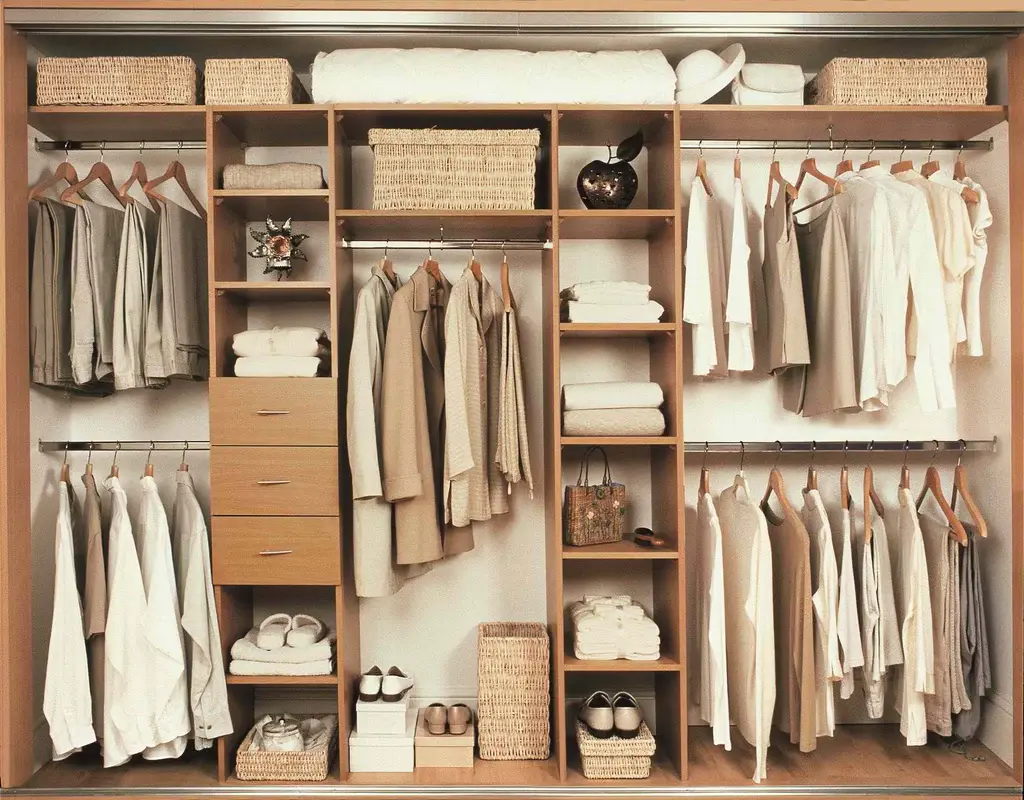
Invest in quality hangers. Wire hangers can leave creases and stretch out shoulders, while sturdy wooden or padded hangers maintain your clothes’ shape. Store knits folded rather than hung to prevent stretching.
Address stains immediately. The sooner you treat a stain, the more likely it is to come out completely. Keep a stain removal guide handy, and always test cleaning products on an inconspicuous area first.
Rotate seasonal clothes to prevent excessive wear on frequently used pieces. Store off-season items properly—clean, dry, and in breathable containers or garment bags.
Build Versatile Color Schemes
A cohesive color palette makes every piece in your wardrobe work harder. Instead of having isolated pieces that only work with one outfit, you’ll create a system where everything coordinates.
Choose 2-3 neutral colors as your base. These will make up about 70% of your wardrobe and include items like pants, skirts, blazers, and basic tops. Popular combinations include black and white with gray, or navy and cream with camel.
Add 1-2 accent colors that you love and that complement your skin tone. These might appear in blouses, accessories, or statement pieces. Having consistent accent colors means your accessories work with multiple outfits.
Don’t forget about patterns. Choose patterns that incorporate your chosen color palette. A striped shirt in your neutral colors or a floral dress with your accent colors will integrate seamlessly with the rest of your wardrobe.
Shop Your Own Closet First
Before buying anything new, challenge yourself to create five new outfits with pieces you already own. You’ll be surprised by the combinations you haven’t tried yet.
Try the “new outfit challenge” where you commit to wearing a different combination every day for a week or month using only existing pieces. This exercise often reveals gaps in your wardrobe while helping you appreciate what you already have.
Rediscover forgotten pieces by moving them to the front of your closet. Sometimes we stop wearing things simply because they’re hidden behind other clothes. Reorganizing seasonally keeps your options visible and fresh.
Experiment with different styling techniques. Try layering pieces in new ways, rolling sleeves differently, or adding belts to change silhouettes. A dress can become a skirt when worn over a shirt, and an oversized shirt can become a light jacket when left unbuttoned.
Make Thoughtful New Purchases
When you do need to buy something new, make it count. Sustainable shopping isn’t about never buying clothes—it’s about buying better.
Create a wishlist and prioritize items by necessity. Focus first on gaps in your wardrobe or replacing worn-out essentials. Then consider pieces that would significantly increase your outfit options.
Try before you buy whenever possible. Fit is crucial for both comfort and longevity—clothes that fit well are more likely to be worn regularly and last longer. If shopping online, check return policies and size guides carefully.
Consider the item’s versatility. Ask yourself: “Can I style this at least three different ways?” and “Does this work with at least five pieces I already own?” If the answer is no, it might not be the right purchase.
Look for sustainable brands when buying new. Many companies now prioritize ethical manufacturing, sustainable materials, and fair labor practices. While these pieces might cost more upfront, they often provide better value over time.
Conclusion
Building a sustainable wardrobe isn’t about perfection—it’s about making more conscious choices that benefit both you and the planet. These sustainable wardrobe tips will help you create a closet filled with pieces you love, that work well together, and that stand the test of time.
Start small. Pick one tip from this list and implement it this week. Maybe it’s doing a closet audit, trying five new outfit combinations, or learning to properly care for your favorite pieces. Every small step toward sustainability makes a difference.
Remember, the most sustainable piece of clothing is the one you already own and love to wear. By shifting your mindset from constantly acquiring new things to maximizing what you have, you’ll not only reduce your environmental impact but also develop a more personal, intentional style.
Your future self—and the planet—will thank you for taking these steps toward a more sustainable wardrobe today.