Have you ever wondered what harmful chemicals might be lurking in your everyday cooking tools? The truth is, many conventional kitchen products contain toxic materials that can leach into your food and compromise your family’s health. Making the switch to non toxic kitchen essentials isn’t just a trendy choice—it’s a crucial step toward creating a safer, healthier home environment where you can cook with complete peace of mind.
Your kitchen is the heart of your home, where countless meals are prepared and memories are made. Yet it’s also where we’re potentially exposed to some of the most concerning toxins through cookware, storage containers, and cleaning products. The good news? Creating a non-toxic kitchen doesn’t require a complete overhaul or breaking the bank. With the right knowledge and strategic choices, you can gradually transform your cooking space into a haven of health and wellness.
Table of Contents
Why Non Toxic Kitchen Essentials Matter More Than Ever
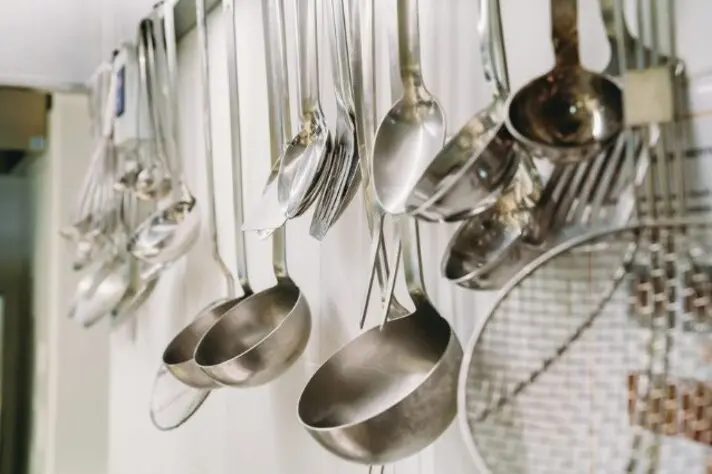
The modern kitchen contains numerous products that may release harmful chemicals into our food and air. From non-stick coatings that break down at high temperatures to plastic containers that leach endocrine disruptors, the risks are real and well-documented by health organizations worldwide. Choosing non toxic kitchen essentials like healthy kitchen tools, eco-friendly cookware, and safe cooking utensils can significantly reduce these hazards. Research from the Environmental Working Group (EWG) consistently shows that kitchen-related chemical exposures can accumulate over time, potentially affecting hormonal balance, reproductive health, and even increasing cancer risk. By investing in chemical-free kitchen products, you’re not just protecting your immediate health—you’re creating a safe, sustainable, and long-lasting healthy home.
Cookware: The Foundation of Your Non-Toxic Kitchen

Stainless Steel: The Gold Standard
High-quality non toxic kitchen essentials like stainless steel cookware represent one of the safest choices for your kitchen. Look for 18/10 stainless steel, which contains 18% chromium and 10% nickel, providing excellent durability and resistance to corrosion. Unlike non-stick coatings, healthy kitchen tools such as stainless steel won’t break down or release harmful particles, even at high cooking temperatures.
The beauty of eco-friendly cookware lies in its versatility and longevity. With proper care, these safe cooking utensils can last decades while maintaining their safety profile. They’re dishwasher safe, oven safe, and won’t react with acidic foods like tomatoes or citrus, making them essential chemical-free kitchen items.
Cast Iron: Time-Tested and Naturally Non-Stick
Well-seasoned cast iron cookware offers exceptional heat retention and develops a natural non-stick surface over time. Unlike synthetic coatings, cast iron seasoning is created from polymerized oils that form a safe, durable cooking surface. This traditional cookware actually adds beneficial iron to your diet in small amounts.
Ceramic and Ceramic-Coated Options
Pure ceramic cookware and ceramic-coated cast iron provide excellent non-toxic cooking surfaces. These materials are completely inert, meaning they won’t leach chemicals or react with foods. Ceramic retains heat well and distributes it evenly, making it ideal for slow cooking and braising.
When selecting ceramic-coated cookware, ensure the coating is free from PFOA, PFAS, and other synthetic chemicals. Reputable brands clearly label their products as free from these harmful substances.
Food Storage Solutions That Keep Your Family Safe
Glass: Clear Winner for Food Storage
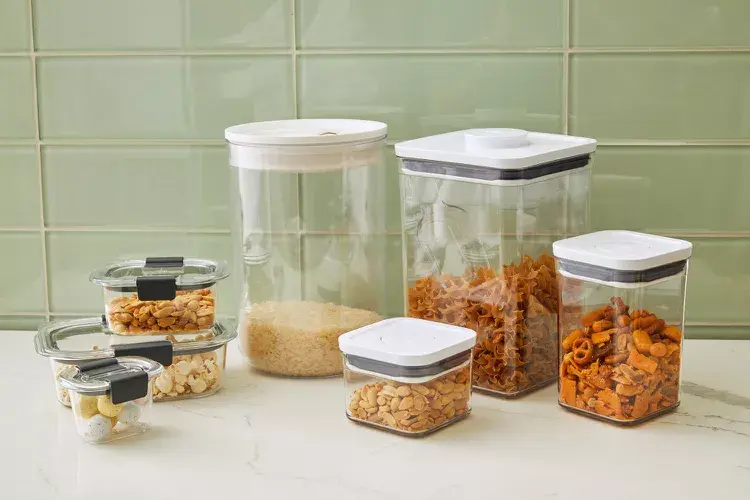
Glass containers are among the top non toxic kitchen essentials, representing the safest option for food storage. They offer complete chemical inertness and visual clarity. Unlike plastic, glass doesn’t absorb odors, stains, or flavors, making it one of the best healthy kitchen tools. Borosilicate glass containers are particularly durable and resistant to thermal shock. With airtight seals, they keep food fresh longer while eliminating concerns about chemical leaching that can occur with less safe options, making them ideal eco-friendly cookware for any kitchen.
Stainless Steel for On-the-Go
For lunch containers and water bottles, food-grade stainless steel is another must-have among non toxic kitchen essentials. These containers are durable, maintain temperature well, resist dents and scratches, and never impart metallic tastes when properly manufactured. Choosing containers with silicone gaskets rather than plastic ones ensures your storage system remains chemical-free kitchen compliant. Many brands now offer modular systems that grow with your family’s needs, making them one of the safest safe cooking utensils for everyday use.
Cutting Boards and Prep Tools
Wood: Nature’s Antimicrobial Surface
Contrary to popular belief, well-maintained wooden cutting boards can be more hygienic than plastic alternatives. Certain woods like bamboo and hardwoods contain natural antimicrobial properties that help reduce bacterial growth.
Choose cutting boards made from sustainably harvested wood or rapidly renewable bamboo. These materials are gentle on knife blades while providing a stable, safe cutting surface that won’t shed microplastics into your food.
Safe Knife Selection
High-quality knives with stainless steel or carbon steel blades eliminate concerns about coatings or treatments that might chip into food. Japanese and German steel knives often represent the highest quality options, featuring pure metals without questionable additives.
Proper knife maintenance extends their lifespan and ensures they remain safe to use. Regular sharpening and hand washing preserve both the blade integrity and your investment in quality tools.
Cleaning Products: Often Overlooked Essentials
Natural Cleaning Alternatives
Your non toxic kitchen essentials list should include safe cleaning products that won’t leave harmful residues on surfaces that contact food. White vinegar, baking soda, and castile soap can handle most kitchen cleaning tasks without introducing synthetic chemicals.
These natural alternatives are not only safer for your family but also more environmentally friendly and economical. A simple mixture of vinegar and water creates an effective all-purpose cleaner that works on most kitchen surfaces.
Small Appliances and Electronics
Choosing Safe Small Appliances
When selecting blenders, food processors, and other small appliances, prioritize models with glass or stainless steel containers over plastic ones. The high speeds and friction involved in food processing can cause plastic components to wear and potentially contaminate food.
Look for appliances with minimal plastic contact surfaces, especially in areas where food is processed or heated. Stainless steel blender jars and ceramic slow cooker inserts represent safer alternatives to plastic components.
Water Filtration Systems
Clean water forms the foundation of a healthy kitchen. Installing a quality water filtration system removes chlorine, heavy metals, and other contaminants that can affect both taste and health. Carbon block filters or reverse osmosis systems provide excellent contaminant removal.
Consider both point-of-use filters for drinking water and whole-house systems if your water quality requires comprehensive treatment. This investment supports not only your cooking but your overall health goals.
Making the Transition: Practical Steps
Prioritizing Your Upgrades
You don’t need to replace everything at once. Start with the items you use most frequently or those showing signs of wear. Non-stick pans with scratched coatings should be your first priority, followed by plastic food storage containers and cleaning products.
This gradual approach allows you to research options thoroughly and invest in quality pieces that will serve you well for years. It also spreads the cost over time, making the transition more financially manageable.
Budget-Friendly Options
Creating a collection of non toxic kitchen essentials doesn’t require luxury pricing. Thrift stores often carry vintage cast iron and stainless steel cookware that just needs restoration. Glass jars from food purchases can be repurposed for storage.
Focus on versatile pieces that serve multiple functions. A good stainless steel pot can handle everything from boiling pasta to making soups, reducing the total number of pieces you need to purchase.
Integration with Sustainable Living
Creating a non-toxic kitchen aligns perfectly with broader sustainable living goals. Many of the same principles that protect your health also benefit the environment. For comprehensive guidance on sustainable practices throughout your home, check out these 10 Easy Sustainable Living Tips for a Greener Home that complement your kitchen transformation.
The connection between personal health and environmental health becomes clear when you choose products that are safe for both your family and the planet. Non toxic kitchen essentials often feature longer lifespans, reduced packaging, and more responsible manufacturing processes.
Maintenance and Care
Extending the Life of Your Investment
Proper care ensures your non toxic kitchen essentials maintain their safety and performance over time. Stainless steel and cast iron require different maintenance approaches, but both reward proper care with decades of safe use.
Seasoning cast iron regularly maintains its non-stick properties, while avoiding abrasive cleaners preserves stainless steel finishes. Glass storage containers benefit from gentle handling and avoiding extreme temperature changes.
The Health Benefits You’ll Notice
Immediate Improvements
Many families report improved taste in their cooking after switching to non toxic kitchen essentials. Removing plastic storage and synthetic non-stick surfaces eliminates off-flavors that you may not have noticed before.
Reduced exposure to synthetic chemicals can lead to fewer headaches, improved respiratory function, and better overall energy levels. These benefits often become apparent within weeks of making the transition.
Long-Term Wellness
The cumulative effect of reducing chemical exposure in your kitchen contributes to better long-term health outcomes. Lower toxic load supports your body’s natural detoxification processes and reduces the burden on your liver and other organs.
Children are particularly sensitive to chemical exposures, making the investment in non toxic kitchen essentials especially important for families. Creating a safer cooking environment supports healthy development and establishes good habits early.
Conclusion: Your Path to a Healthier Kitchen Starts Today
Transforming your kitchen with non toxic kitchen essentials represents one of the most impactful steps you can take toward better health and wellness. Every meal prepared in a safer environment is an investment in your family’s future, reducing exposure to harmful chemicals while often improving the taste and quality of your cooking.
Take action today by identifying the first item in your kitchen that needs upgrading. Whether it’s researching stainless steel cookware or clearing out old plastic containers, every step forward creates a healthier, safer cooking environment for you and your loved ones. Your future self will thank you for making these important changes now.