
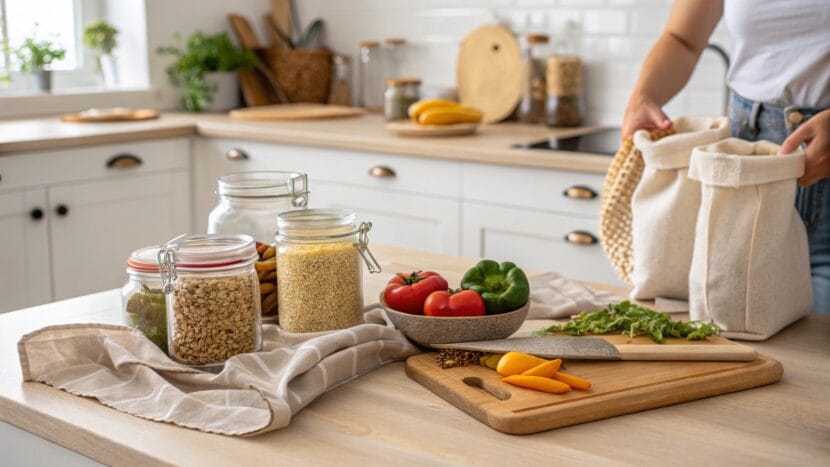
Are you tired of seeing overflowing trash bins and feeling guilty about your environmental impact? You’re not alone. Starting a low waste lifestyle might seem overwhelming, but I’m here to show you it doesn’t have to be complicated or expensive.
The truth is, small changes in your daily routine can make a massive difference for both the planet and your wallet. In this guide, I’ll share 10 beginner-friendly tips that helped me reduce my household waste by over 70% in just six months – without turning my life upside down.
Whether you’re completely new to sustainable living or looking to take your eco-friendly efforts to the next level, these practical strategies will help you create lasting change starting today.
Table of Contents
What Is a Low Waste Lifestyle?

A low waste lifestyle focuses on reducing the amount of trash you send to landfills by being more mindful about what you buy, use, and throw away. It’s not about achieving perfection – it’s about making better choices that align with your values and circumstances.
Unlike zero waste (which aims to eliminate trash entirely), low waste living is more flexible and realistic for most people. The goal is progress, not perfection.
Why Choose a Low Waste Lifestyle?
Environmental Benefits
- Reduces landfill waste and pollution
- Conserves natural resources
- Decreases your carbon footprint
- Protects wildlife and ecosystems
Personal Benefits
- Saves money over time
- Creates a cleaner, more organized home
- Develops mindful consumption habits
- Connects you with like-minded communities
10 Beginner-Friendly Tips to Start Your Low Waste Journey

1. Start With a Waste Audit
Before making changes, spend one week tracking what you throw away. This eye-opening exercise hBefore making changes, spend one week tracking your waste to kickstart your low waste lifestyle. This eye-opening exercise helps you identify your biggest sources of food waste and single-use items.
How to do it:
- Keep a notebook in your kitchen to track daily trash
- Write down everything that goes in the garbage
- Note recyclable items that are being wasted
- Identify patterns and problem areas
Most people are shocked to discover how much food and plastic waste they produce or how many disposable items they discard daily. Implementing these sustainable living tips is the first step toward a Green Lifestyle Guide.
2. Embrace the “Refuse, Reduce, Reuse” Hierarchy
This simple low waste lifestyle framework guides every eco-friendly decision:
Rot: Compost organic materials whenever possible to reduce food waste.
Refuse: Say no to items you don’t need, like plastic bags, freebies, or excessive packaging.
Reduce: Buy less and choose quality over quantity to minimize waste generation.
Reuse: Give items a second life before discarding them to support a sustainable lifestyle.
Recycle: Only after exhausting the above options, sort recyclable items properly.
3. Switch to Reusable Alternatives

Replace single-use items with durable, eco-friendly alternatives. Start with these high-impact swaps for your low waste lifestyle:
- Reusable water bottles instead of disposable plastic bottles
- Shopping bags for grocery trips to reduce plastic waste
- Coffee cups for your daily caffeine fix
- Food storage containers instead of plastic wrap
- Cloth napkins replacing paper ones
Focus on one sustainable swap at a time to avoid overwhelm and let new eco-friendly habits stick.
4. Master Meal Planning and Food Storage
Food waste makes up nearly 30% of household trash, but you can combat it with smart low waste lifestyle strategies:
Meal Planning Tips:
- Plan weekly menus before shopping to reduce food waste
- Create detailed grocery lists to avoid overbuying
- Check your pantry first to use what you already have
- Buy only what you’ll realistically consume to support sustainable living
Proper Food Storage:
- Learn optimal storage methods for different foods to extend freshness
- Use clear containers to easily see what you have and prevent waste
- Practice FIFO (First In, First Out) rotation for perishable items
- Freeze foods before they spoil to minimize food waste
5. Buy in Bulk and Choose Package-Free Options
Bulk buying reduces packaging waste while often saving money. Look for stores offering:
- Bulk bins for grains, nuts, and spices
- Refill stations for cleaning supplies
- Package-free produce sections
- Bulk liquid items like oils and vinegars
Bring your own containers when possible, or choose stores that provide compostable bags.
6. Learn Basic Repair and Maintenance Skills
Beginner sustainability tips often overlook the power of repair. Instead of replacing broken items, try fixing them first:
- Learn basic sewing for clothing repairs
- Watch YouTube tutorials for appliance fixes
- Keep a simple toolkit for household repairs
- Find local repair cafes or services
Many “broken” items just need minor adjustments or cleaning to function like new.
7. Implement a Simple Composting System
Composting dramatically reduces household waste while creating nutrient-rich soil for plants.
Apartment-friendly options:
- Countertop compost bins
- Worm composting systems
- Community composting programs
- Municipal compost pickup services
Backyard composting:
- Traditional compost bins
- Tumbler composters
- Simple pile systems
Even composting just fruit and vegetable scraps makes a significant impact.
8. Choose Quality Over Quantity
Invest in well-made items that last longer, even if they cost more upfront. This approach:
- Reduces replacement frequency
- Often provides better performance
- Saves money long-term
- Decreases overall consumption
Research products before buying and read user reviews to identify durable options.
9. Get Creative With Repurposing
Before throwing items away, brainstorm alternative uses:
- Glass jars become storage containers
- Old t-shirts transform into cleaning rags
- Cardboard boxes organize drawers
- Plastic containers work for plant starters
Pinterest and sustainability blogs offer endless repurposing inspiration for common household items.
10. Build Your Support Network
Sustainable living becomes easier with community support. Connect with others through:
- Local environmental groups
- Online sustainability communities
- Zero waste social media accounts
- Neighborhood sharing groups
Share successes, ask questions, and find encouragement during challenging moments.
Common Low Waste Lifestyle Mistakes to Avoid
Don’t Try to Change Everything at Once
Overwhelming yourself leads to burnout. Focus on one area at a time and build momentum gradually.
Avoid “Eco-Guilt” Perfectionism
Progress matters more than perfection. Celebrate small wins and learn from setbacks without harsh self-judgment.
Don’t Buy All New “Eco-Friendly” Products
Use what you have first. The most sustainable option is often what’s already in your home.
Creating Your Low Waste Action Plan
Success comes from consistent small actions, not dramatic overnight changes. Here’s how to start:
Week 1-2: Complete your waste audit and choose your first reusable swap
Week 3-4: Implement meal planning and food storage improvements
Month 2: Add bulk buying and composting to your routine
Month 3: Focus on repair skills and repurposing projects
Ongoing: Continuously evaluate and adjust your practices
The Ripple Effect of Low Waste Living
When you embrace eco-friendly tips and reduce your environmental impact, you take a big step toward a low waste lifestyle. Your choices inspire others—family members, friends, and coworkers—creating a ripple effect of Zero Waste Ideas and Green Lifestyle Guide that extends far beyond your household.
According to Earth.org, individual actions collectively lead to significant eco-friendly improvements when adopted by communities, proving that small, conscious changes make a lasting impact.
Conclusion: Your Low Waste Journey Starts Now
Starting a low waste lifestyle doesn’t require dramatic life changes or expensive purchases. It begins with awareness, continues with small consistent actions, and grows into a rewarding way of living that benefits both you and the planet.
Remember, this journey is uniquely yours. What works for your neighbor might not fit your lifestyle, and that’s perfectly okay. The goal is progress, not perfection.
Ready to begin? Choose one tip from this list and implement it this week. Start small, stay consistent, and watch as your efforts create positive change in your home and community.
Which low waste tip will you try first? Share your sustainable living journey in the comments below – I’d love to hear about your experiences and support you along the way!